In the ever-evolving world of event planning, staying ahead of the latest trends is crucial for creating memorable and engaging experiences. Live music, a timeless element of events, is no exception. Understanding the current trends in live music can help event planners design captivating atmospheres that resonate with their audiences. Here are the top live music trends that every event planner needs to know.
Embracing Diverse Genres
The landscape of live music is becoming increasingly diverse, with audiences craving unique and eclectic musical experiences. Event planners are now exploring a broader array of musical genres to cater to varied tastes and preferences.
Incorporating World Music
World music is gaining popularity as event planners seek to offer distinctive and culturally enriching experiences. From the rhythmic beats of African drums to the soulful melodies of Indian sitars, incorporating world music can introduce attendees to new sounds and traditions, creating a more inclusive and global event atmosphere.
Blending Genres
The fusion of different musical styles is another trend gaining traction. By blending genres such as jazz and hip-hop or classical and electronic, event planners can create innovative and dynamic performances that captivate audiences. These genre-blending acts appeal to a wide range of music lovers and provide a fresh twist on traditional live music offerings.
Interactive and Immersive Experiences
Today’s audiences are not content with passive listening; they crave interactive and immersive experiences that engage their senses and emotions. Event planners are responding to this demand by incorporating interactive elements into live music performances.
Audience Participation
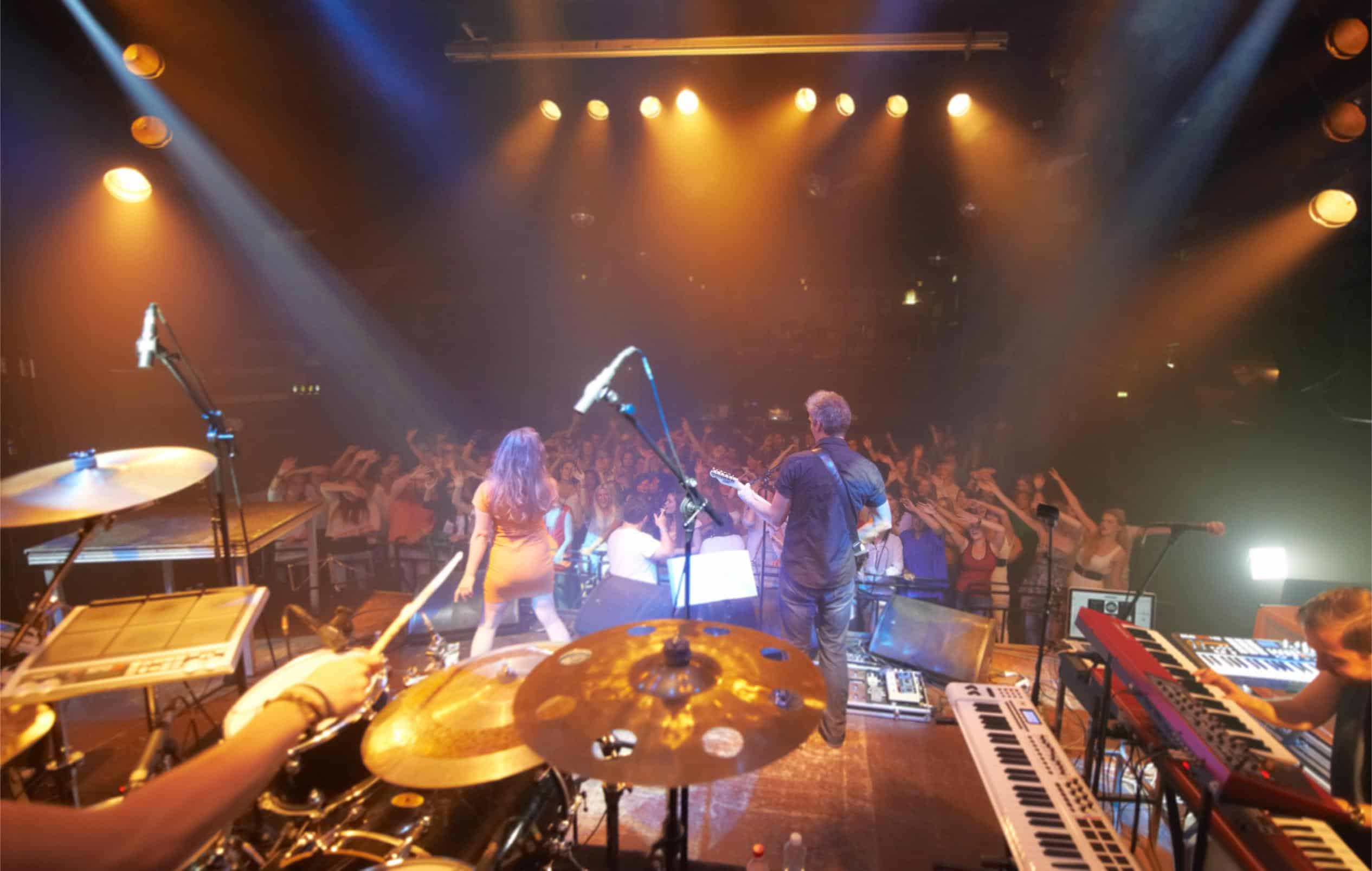
Encouraging audience participation is a powerful way to enhance engagement and make live music experiences more memorable. Whether it’s inviting attendees to sing along, providing percussion instruments for an impromptu jam session, or organizing dance-offs, these interactive elements foster a sense of community and connection among guests.
Immersive Environments
Transforming a venue into an immersive environment can elevate the live music experience. Event planners are using creative lighting, visual projections, and themed decorations to create a cohesive and captivating atmosphere. These immersive settings transport attendees into a different world, allowing them to fully engage with the music and the event.
Technology Integration
Technology continues to shape the future of live music, offering new opportunities for innovation and engagement. Event planners are leveraging technology to enhance performances and provide unique experiences for their audiences.
Virtual and Augmented Reality
Virtual and augmented reality technologies are making their way into live music events, offering attendees a new dimension of interaction. By using VR headsets or AR apps, guests can experience concerts in entirely novel ways, such as exploring virtual stages or interacting with digital elements that complement the performance.
Live Streaming and Hybrid Events
The rise of live streaming and hybrid events has expanded the reach of live music performances beyond the physical venue. Event planners are now able to stream concerts to audiences worldwide, providing access to those who cannot attend in person. This trend not only broadens the audience base but also offers opportunities for additional revenue streams.
Focus on Sustainability
Sustainability is becoming a key consideration for event planners, and live music events are no exception. As awareness of environmental issues grows, there is an increasing emphasis on creating eco-friendly and sustainable live music experiences.
Eco-Friendly Venues
Choosing eco-friendly venues that prioritize sustainability can significantly reduce the environmental impact of live music events. Event planners are opting for venues that use renewable energy sources, have efficient waste management systems, and promote sustainable practices.
Green Initiatives
Implementing green initiatives, such as reducing single-use plastics, promoting recycling, and using biodegradable materials, is becoming standard practice. Event planners are also exploring partnerships with local environmental organizations to promote sustainability and raise awareness among attendees.
The Rise of Intimate and Exclusive Performances
While large-scale concerts and festivals continue to be popular, there is a growing trend towards intimate and exclusive live music experiences. These smaller-scale events offer a unique and personal connection between artists and audiences.
Private Concerts and Pop-Up Gigs
Private concerts and pop-up gigs provide a more personal and exclusive experience for attendees. These events can take place in unconventional spaces, such as art galleries, rooftop gardens, or private residences, creating an intimate and memorable setting for live music.
Curated Lineups and Unique Collaborations
Event planners are curating lineups that feature unique collaborations and surprise performances to create one-of-a-kind experiences. By bringing together artists from different backgrounds or pairing unexpected musical acts, planners can offer attendees a fresh and exciting live music encounter.
In conclusion, staying abreast of live music trends is essential for event planners who wish to create engaging and memorable experiences. By embracing diverse genres, incorporating interactive elements, leveraging technology, focusing on sustainability, and exploring intimate performance settings, planners can ensure their events resonate with audiences and leave a lasting impression.