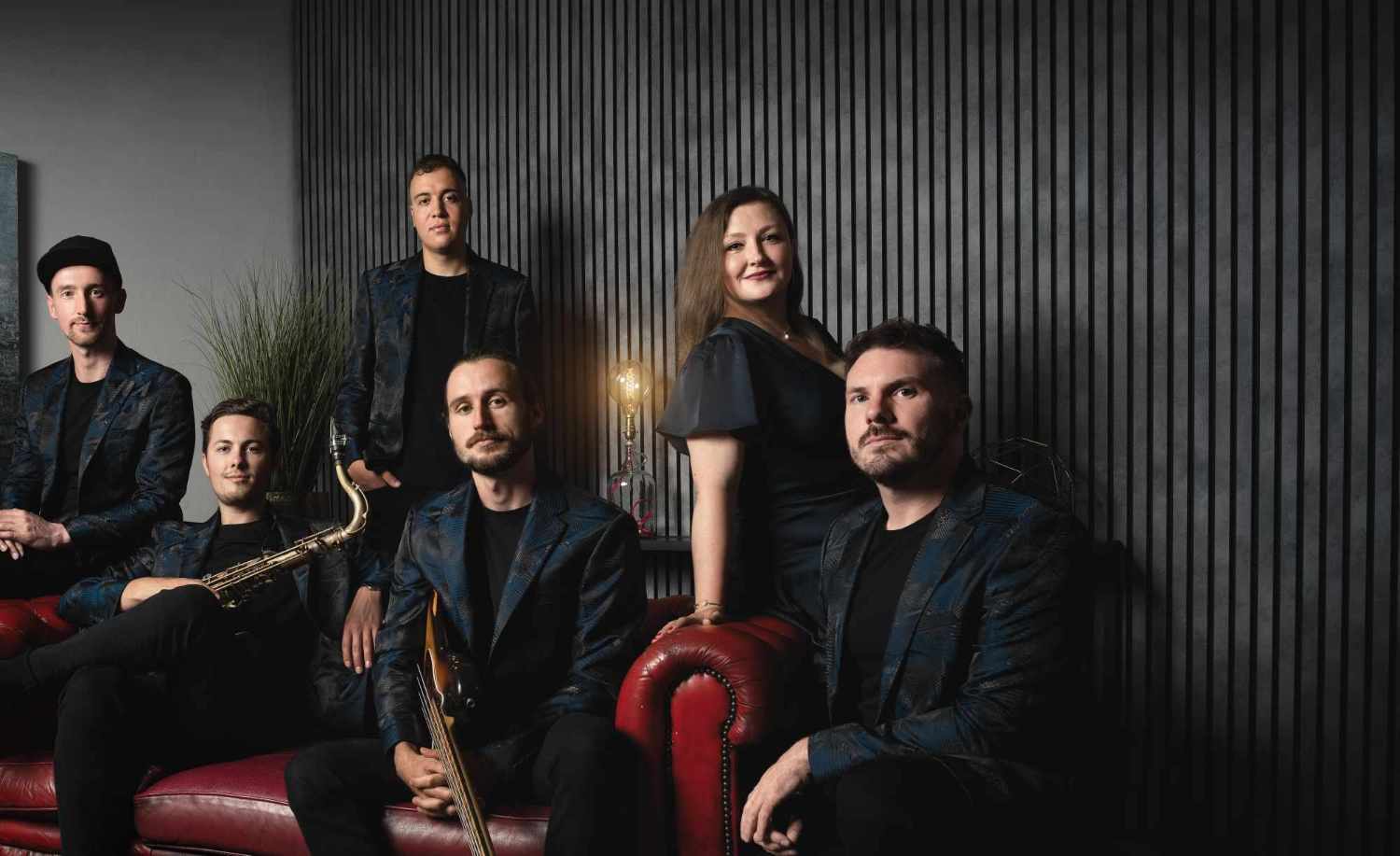
In the vibrant world of music, blending DJ sets with live instruments creates a dynamic and immersive experience that captivates audiences and elevates performances. This fusion of electronic beats with organic sounds offers a unique musical journey that transcends traditional boundaries. For musicians, DJs, and event planners looking to explore this innovative realm, understanding how to seamlessly integrate DJ sets with live instruments is essential. Here’s a comprehensive guide to mastering this art form.
Understanding the Dynamics of Fusion
At its core, integrating DJ sets with live instruments involves combining pre-recorded tracks with live musical performances. This fusion allows artists to leverage the precision and consistency of electronic music while adding the spontaneity and expressiveness of live instruments. The result is a rich, layered soundscape that engages listeners on multiple levels.
Choosing the Right Instruments
The first step in creating a successful hybrid performance is selecting the right instruments to complement the DJ set. Common choices include guitars, saxophones, drums, and keyboards, each offering unique textures and sounds. These instruments add depth and character to the electronic beats, creating a more engaging and dynamic performance.
Consider the mood and style of the music when choosing instruments. For example, a saxophone might add a sultry, jazzy feel to a house track, while a guitar could introduce a rock or blues element to an electronic dance beat.
Setting the Stage for Collaboration
Collaborating between DJs and live musicians requires clear communication and coordination. It’s important to establish a shared vision for the performance, ensuring that all parties are aligned on the musical direction and overall atmosphere they wish to create.
Rehearsals are crucial for synchronizing tempos, adjusting arrangements, and experimenting with different musical elements. This practice helps musicians and DJs understand each other’s styles and find the perfect balance between electronic and live sounds.
Technical Considerations for Seamless Integration
Integrating DJ sets with live instruments involves navigating technical challenges to ensure a smooth and cohesive performance. By addressing these considerations, artists can create a seamless blend of sounds that captivates their audience.
Synchronizing Tempos
One of the biggest challenges in integrating DJ sets with live instruments is maintaining synchronized tempos. DJs use beatmatching to align tracks, but live musicians must adjust their playing to match the electronic beats accurately. Using a metronome or in-ear monitors can help musicians stay in time with the DJ set, ensuring a tight and polished performance.
For more complex setups, consider using software like Ableton Live, which allows both DJs and musicians to control tempos, trigger samples, and manage loops in real-time, creating a cohesive and dynamic performance environment.
Sound Mixing and Balance
Achieving the right sound balance is essential for blending DJ sets with live instruments. The electronic elements should complement the live instruments without overpowering them. Work closely with a sound engineer to adjust levels, EQs, and effects to create a harmonious mix that highlights the strengths of both electronic and live components.
Using high-quality microphones, amplifiers, and speakers can enhance the clarity and impact of live instruments, ensuring they stand out in the mix and contribute to the overall soundscape.
Crafting a Captivating Performance
Creating a memorable performance involves more than just technical precision; it requires engaging the audience and delivering a dynamic and emotionally resonant experience. Here are some tips for captivating your audience when integrating DJ sets with live instruments.
Building a Dynamic Setlist
Curate a setlist that takes the audience on a journey, blending high-energy tracks with more mellow, contemplative moments. The combination of DJ tracks and live instruments allows for a wide range of musical expression, so explore different tempos, genres, and moods to keep the performance fresh and exciting.
Consider starting with familiar tracks to draw the audience in, before introducing original compositions or remixes that showcase the unique blend of electronic and live elements.
Engaging the Audience
Interaction with the audience is key to a successful performance. Encourage audience participation by inviting them to clap, sing along, or dance to the music. Use visual elements, such as lighting and projections, to enhance the atmosphere and create a multisensory experience that captivates and engages attendees.
Consider incorporating improvisational elements that allow musicians to showcase their creativity and spontaneity, creating moments of surprise and delight for the audience.
Emphasizing Showmanship
Strong stage presence and showmanship can elevate a performance and leave a lasting impression on the audience. Encourage musicians and DJs to engage with each other on stage, creating a sense of synergy and collaboration that resonates with viewers.
Incorporate movements, gestures, and expressions that convey the emotion and energy of the music, drawing the audience deeper into the performance and creating a shared musical experience.
In conclusion, integrating DJ sets with live instruments is a powerful way to create a dynamic and engaging performance that resonates with audiences. By understanding the dynamics of fusion, addressing technical considerations, and crafting a captivating performance, artists can explore new creative possibilities and elevate their live shows to new heights.