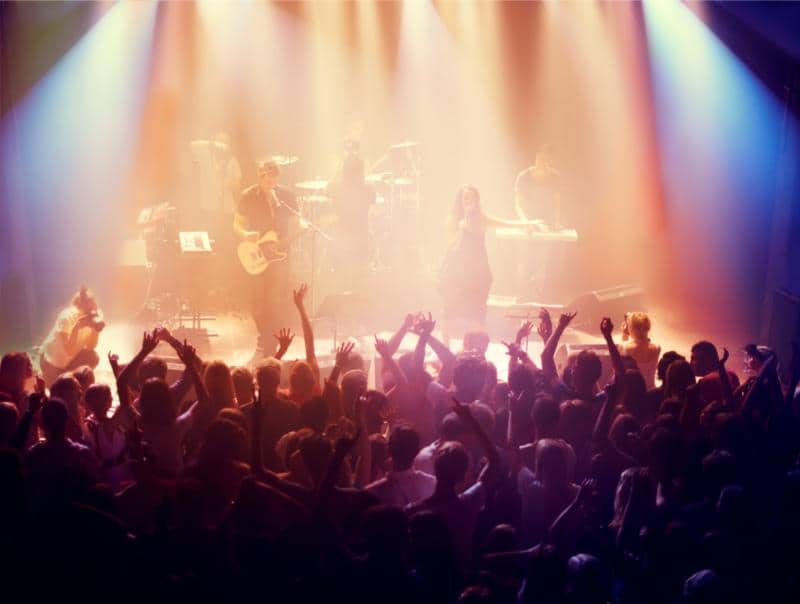
In the world of theater, every detail contributes to the creation of an unforgettable performance. Among these details, costume design stands out as a powerful tool that shapes a character’s identity and enhances an actor’s stage presence. The visual appeal and symbolic significance of costumes are integral to the storytelling process, bridging the gap between actors and audience through visual storytelling.
The Role of Costume Design in Character Development
Costume design is more than just fabric and fashion — it is a vital component of character development. Through thoughtful selection of colors, textures, and styles, costume designers create visual cues that help define a character’s personality, social status, and emotional arc. A well-designed costume allows actors to immerse themselves in their roles more deeply, lending authenticity to their performances.
Enhancing Emotional Expression
The right costume can significantly enhance an actor’s ability to convey emotions. For example, a flowing gown may suggest grace and vulnerability, while a sharply tailored suit might indicate authority and control. By aligning costumes with the emotional undertones of a scene, designers help actors project these emotions more forcefully, effectively drawing the audience into the narrative.
Symbolism and Thematic Resonance
Costumes often serve as symbolic representations of a character’s inner journey or the play’s overarching themes. Designers may use color symbolism to reflect changes in a character’s psychological state or to foreshadow upcoming events. For instance, transitioning from dark to light colors might symbolize a character’s journey from despair to hope. Such symbolic layers add depth to the storytelling, enriching the audience’s understanding and engagement.
Creating Visual Harmony on Stage
Costume design plays a crucial role in creating visual harmony within a production. By coordinating costumes with the set design, lighting, and props, designers ensure a cohesive aesthetic that supports the play’s mood and tone. This visual consistency helps maintain audience immersion, allowing the story to unfold seamlessly on stage.
Facilitating Actor Movement and Comfort
While aesthetics are important, functionality is equally crucial in costume design. Costumes must allow actors to move freely and perform their roles comfortably. Designers consider factors such as fabric stretch, garment weight, and ease of wear to ensure that costumes do not hinder an actor’s performance. Well-constructed costumes that accommodate movement contribute to an actor’s confidence and stage presence.
Adapting to Different Genres and Eras
Costume design is highly adaptable, catering to the specific needs of different theatrical genres and historical periods. For period pieces, accuracy in costume design is essential to transport audiences to another time, while contemporary productions might require more abstract or symbolic approaches. Designers must balance historical accuracy with creative interpretation to create costumes that resonate with modern audiences while staying true to the setting.
Collaborative Efforts in Costume Design
The process of costume design is inherently collaborative, involving close coordination with directors, actors, and other members of the production team. Designers work to align their vision with the director’s concept while incorporating feedback from actors to ensure that costumes enhance, rather than detract from, their performances. This collaborative process is essential to achieving a harmonious blend of visual and narrative elements.
The Audience Connection
The impact of costume design extends beyond the stage, influencing how audiences perceive and connect with the performance. Costumes help create memorable visual impressions that linger in the minds of viewers long after the curtain falls. By capturing the essence of a character or a moment through costume, designers contribute to the emotional and intellectual impact of the production, fostering a deeper connection between the audience and the story.
Conclusion: The Lasting Influence of Costume Design
In conclusion, costume design is a vital aspect of theatrical production that significantly influences an actor’s stage presence and the audience’s engagement. Through careful consideration of aesthetics, symbolism, and functionality, costume designers create visual narratives that complement the story being told. Their work not only enhances the authenticity and emotional depth of a performance but also leaves a lasting impression on the audience, highlighting the transformative power of costume design in the world of theater.