Creating a captivating event requires more than just great music and stunning visuals; it involves seamlessly blending these elements to produce a cohesive and immersive experience. Coordinating music with event lighting design is an art form that can elevate any gathering, from weddings to concerts, by enhancing the mood and amplifying the emotional impact. This guide will provide you with essential tips and techniques to synchronize music and lighting, ensuring a memorable event for your guests.
The Power of Music and Lighting
Music and lighting individually have the ability to transform a space by setting the tone and atmosphere. When combined, they create a powerful synergy that can evoke emotions, highlight key moments, and engage audiences on a deeper level. Coordinating these elements requires an understanding of how they interact and complement each other, allowing you to craft an unforgettable experience.
Understanding the Event’s Theme and Mood
Before diving into the technical aspects of coordination, it’s crucial to understand the event’s theme and desired mood. Whether it’s a romantic wedding, a high-energy dance party, or a corporate gala, the music and lighting should reflect and enhance the event’s overall vibe. Consider the emotions you want to evoke and choose music and lighting styles that align with those feelings, creating a harmonious atmosphere.
Collaborating with Professionals
Coordinating music and lighting requires collaboration between DJs, musicians, and lighting designers. Each professional brings unique expertise and insights that contribute to the event’s success. Schedule meetings with all involved parties to discuss the event’s vision, timeline, and specific requirements. This collaboration ensures that everyone is on the same page and can work together seamlessly to bring the vision to life.
Crafting a Dynamic Lighting Plan
A well-thought-out lighting plan is essential for synchronizing with the music. Consider the different phases of the event, such as speeches, performances, and dance sessions, and plan lighting changes accordingly. Use a mix of static and dynamic lighting effects to create depth and interest. For example, soft, warm lighting can set the stage for emotional speeches, while vibrant, moving lights can energize the dance floor.
Using Technology for Synchronization
Modern technology offers tools and software that make coordinating music and lighting more accessible and precise. Programs like DMX controllers and lighting consoles allow for real-time synchronization, enabling you to adjust lighting effects in response to music changes. These tools provide greater control over the ambiance, allowing you to create smooth transitions and impactful moments that resonate with your audience.
Matching Lighting Cues with Musical Beats
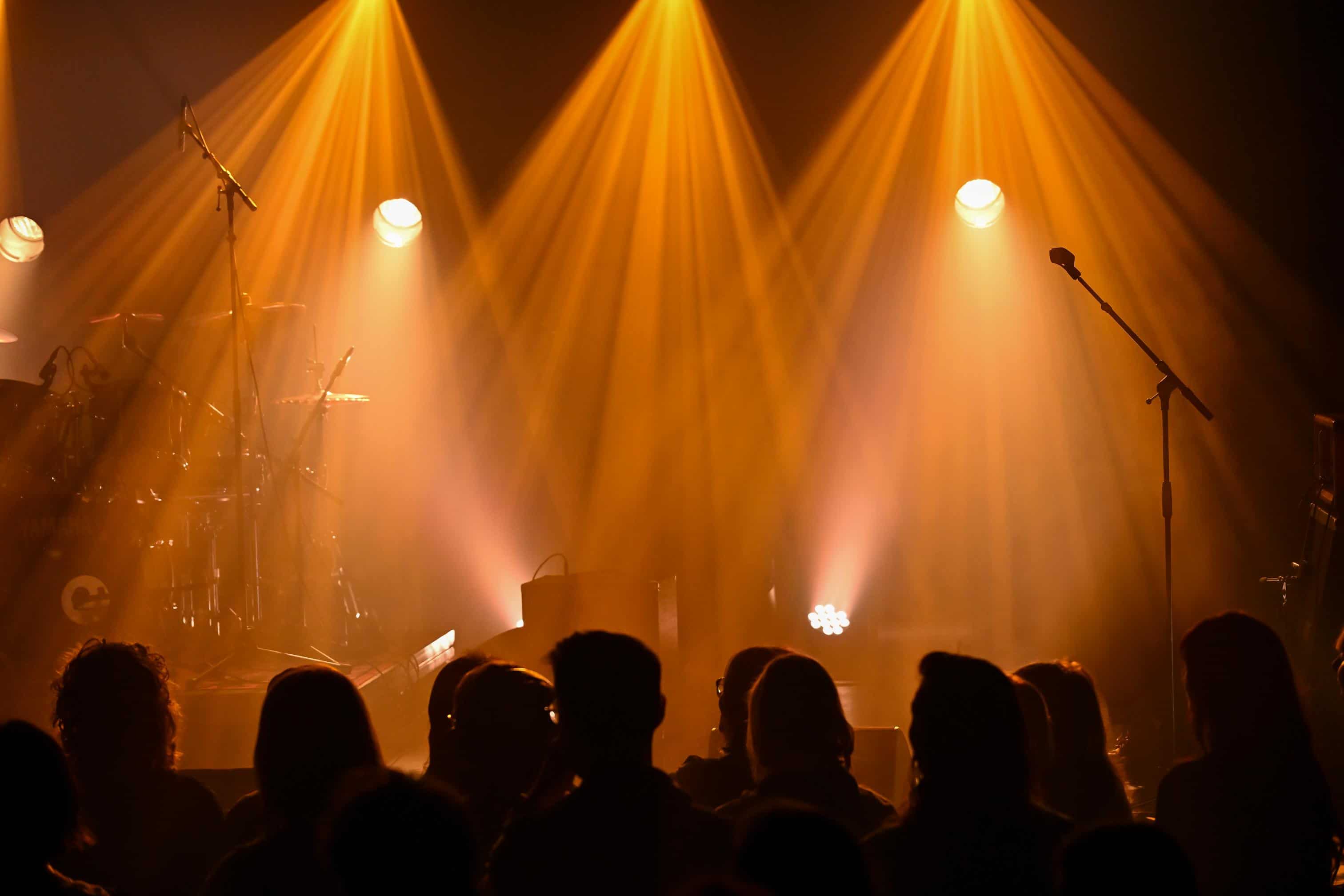
To create a seamless experience, synchronize lighting cues with musical beats. This technique enhances the rhythm and flow of the event, making each moment more engaging. Listen to the music tracks and identify key beats or transitions where lighting changes can amplify the impact. Whether it’s a subtle fade during a quiet moment or a burst of color during a chorus, aligning lighting with music creates a powerful sensory experience.
Incorporating Color Theory
Color plays a significant role in setting the mood and atmosphere of an event. Understanding color theory can help you make informed decisions when coordinating lighting with music. For instance, warm colors like red and orange can evoke excitement and passion, while cool colors like blue and green can create a calm and serene environment. Use color strategically to complement the music’s mood and enhance the overall experience.
Testing and Rehearsing
Before the event, conduct a thorough rehearsal to test the synchronization of music and lighting. This allows you to identify any technical issues and make necessary adjustments to ensure a flawless performance. Practice different scenarios and transitions to build confidence and ensure that the event runs smoothly from start to finish. A well-rehearsed plan minimizes the risk of mishaps and sets the stage for a successful event.
Adapting to Real-Time Changes
Flexibility is key when coordinating music and lighting, as events can be unpredictable. Be prepared to adapt to real-time changes, such as last-minute song requests or unexpected delays. Having a skilled team and reliable equipment allows you to respond quickly and maintain the event’s flow. Embrace spontaneity and use it as an opportunity to showcase creativity and problem-solving skills.
Conclusion: Creating a Memorable Experience
Coordinating music with event lighting design is a powerful way to elevate your event and create an immersive experience for your guests. By understanding the event’s theme, collaborating with professionals, and utilizing technology, you can synchronize these elements to enhance the mood and atmosphere. Attention to detail and careful planning will ensure that your event leaves a lasting impression, resonating with attendees long after the final note and light fade away.